Deepen Your Practice: Our Blog

Woman meditating in a serene outdoor setting

The Art of Mindful Breathing: Pranayama Techniques

Explore the profound impact of conscious breathing on your physical and mental well-being. This article delves into various Pranayama techniques, offering practical guidance for beginners and advanced practitioners alike to cultivate inner peace and vitality.

Read More
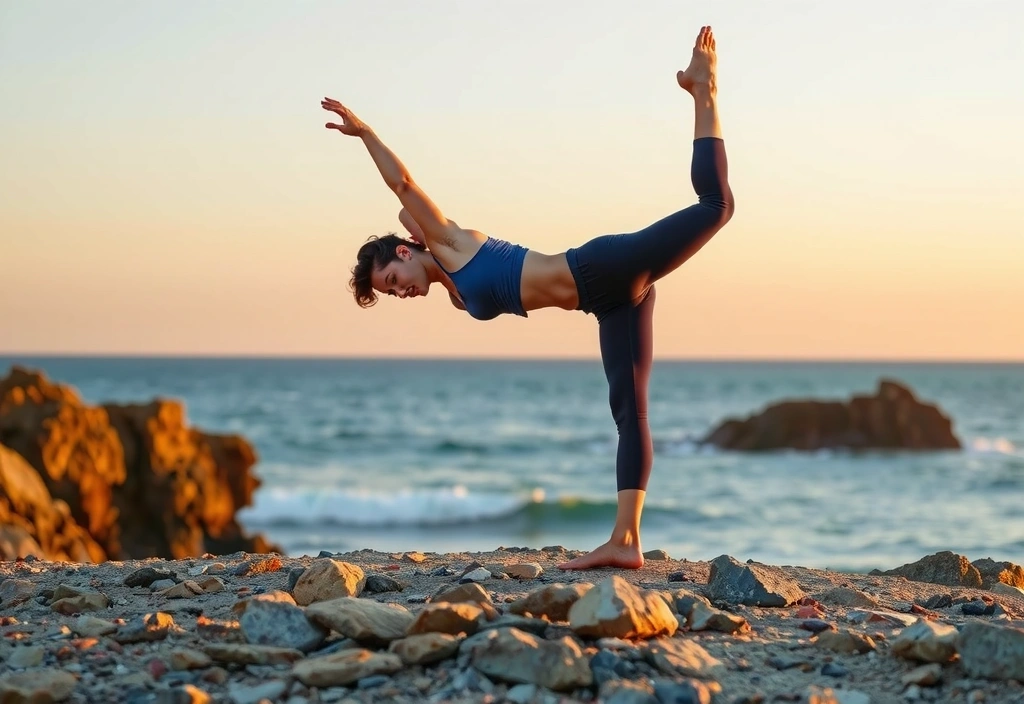
Yoga practitioner in a challenging pose by the sea

Unlocking Flexibility: A Guide to Advanced Asanas

Ready to deepen your physical practice? This comprehensive guide breaks down advanced yoga postures, offering step-by-step instructions, modifications, and tips to safely and effectively increase your flexibility and strength.

Read More
Healthy and colorful vegetarian meal

Nourishing Your Body: Yoga and Holistic Nutrition

Discover how mindful eating complements your yoga journey. This article explores the principles of holistic nutrition, offering delicious recipes and dietary advice to fuel your practice and enhance overall well-being.

Read More
Person journaling next to a yoga mat

Cultivating Inner Peace: Integrating Yoga into Daily Life

Yoga isn't just for the mat. Learn how to weave the principles of yoga – mindfulness, compassion, and presence – into your daily routines, transforming everyday moments into opportunities for growth and tranquility.

Read More
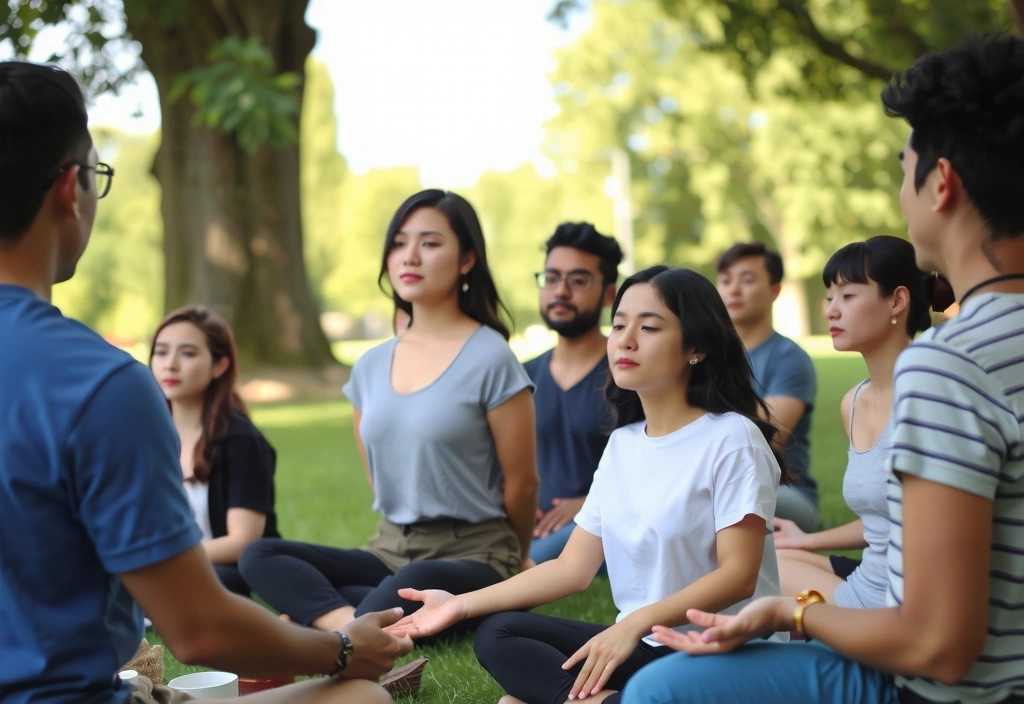
Group of people practicing meditation outdoors

Beyond the Mat: The Philosophy of Yoga

Dive into the rich history and philosophical underpinnings of yoga. This article explores ancient texts, ethical guidelines (Yamas and Niyamas), and the spiritual dimensions that elevate yoga beyond a mere physical exercise.

Read More
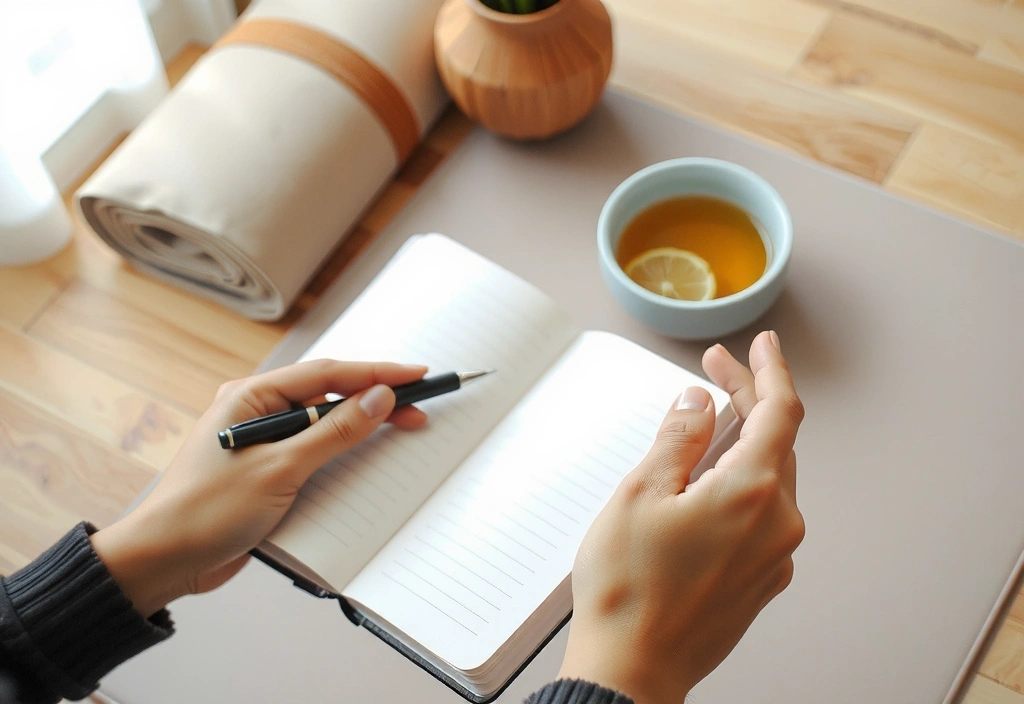
A person enjoying a quiet moment with herbal tea and a book

Restorative Yoga: Healing and Rejuvenation

Discover the gentle power of restorative yoga, designed to soothe the nervous system, reduce stress, and promote deep relaxation. Learn about prop usage and accessible postures to support healing and rejuvenation.

Read More

Frequently Asked Questions

Starting yoga is a wonderful journey! We recommend beginning with beginner-friendly classes, either in-person or online. Focus on foundational poses, proper alignment, and connecting breath with movement. Don't worry about perfection; consistency and mindful practice are key. Our 'Introduction to Yoga' series is an excellent starting point, providing a gentle yet comprehensive overview of essential yoga principles and postures.

Comfort is key! Choose clothing that allows for a full range of motion without restriction. Typically, athletic wear like leggings or shorts and a comfortable top are ideal. Avoid overly baggy clothes that might get in the way during inversions or complex poses. Bare feet are generally preferred for better grip on the mat. Remember, the goal is to feel unrestricted and at ease in your movements.

Absolutely not! This is one of the biggest misconceptions about yoga. Yoga is not about how flexible you are; it's about developing strength, balance, and mental focus, and flexibility is a positive side effect that comes with consistent practice. Everyone starts somewhere, and our instructors are skilled at offering modifications and variations for all levels and body types. Come as you are, and you'll find your flexibility will naturally improve over time.

The benefits of regular yoga practice are extensive and holistic. Physically, you can expect improved flexibility, increased strength, better balance, and enhanced posture. Mentally, yoga helps to reduce stress, improve focus, and cultivate a sense of calm and well-being. Many practitioners also report better sleep, increased energy levels, and a deeper connection to their inner selves. It's a journey of self-discovery and continuous improvement.

Yoga Glossary: Understanding Key Terms

Asana
A physical posture or pose in yoga. Originally, asanas were practiced to prepare the body for long periods of meditation. Today, they are widely known for their physical and mental health benefits, including increased flexibility, strength, and balance.
Chakra
In esoteric traditions of Indian religions, chakras are energy points or nodes in the subtle body. They are believed to be responsible for the distribution of prana (life force) throughout the body, influencing physical, emotional, and spiritual well-being.
Drishti
A focused gaze or point of concentration used during yoga practice. Drishti helps to steady the mind, improve balance, and direct awareness inward, deepening the meditative aspect of each asana.
Mudra
A symbolic hand gesture often used in yoga and meditation to channel energy and enhance focus. Each mudra has a specific meaning and is believed to influence different aspects of the mind and body.
Namaste
A traditional Indian greeting, often accompanied by pressing the palms together at the heart chakra. It translates to "The divine light in me honors the divine light in you," signifying respect and spiritual connection.
Prana
The vital life force or energy that animates all living beings. In yoga, prana is controlled and directed through breathwork (Pranayama) to purify the body and mind, and to enhance overall vitality.
Pranayama
The formal practice of controlling the breath, which is the source of our prana (life force). Pranayama techniques are used to purify the energetic channels, calm the nervous system, and prepare the mind for meditation.
Savasana
Also known as Corpse Pose, Savasana is a final relaxation pose typically practiced at the end of a yoga session. It allows the body to integrate the benefits of the practice and promotes deep rest and rejuvenation.
Ujjayi Breath
A specific breathing technique often used in Vinyasa and Ashtanga yoga. It involves a gentle constriction at the back of the throat, creating an oceanic sound, which helps to build heat, improve concentration, and regulate the flow of breath.
Vinyasa
A style of yoga characterized by a flowing sequence of poses synchronized with the breath. "Vinyasa" literally means "to place in a special way," referring to the intelligent sequencing of postures.
Yama
The first limb of Patanjali's eight limbs of yoga, focusing on ethical disciplines and moral conduct toward others. The five Yamas are Ahimsa (non-violence), Satya (truthfulness), Asteya (non-stealing), Brahmacharya (continence), and Aparigraha (non-possessiveness).
Niyama
The second limb of Patanjali's eight limbs of yoga, focusing on self-discipline and spiritual observances. The five Niyamas are Saucha (purity), Santosha (contentment), Tapas (austere self-discipline), Svadhyaya (self-study), and Ishvara Pranidhana (surrender to a higher power).
Your Essential Guide to Online Yoga Preparation

Embarking on an online yoga journey from the comfort of your home can be incredibly rewarding. To ensure you get the most out of every session, a little preparation goes a long way. Here’s a comprehensive guide to help you set up your space, gather your essentials, and cultivate the right mindset for a fulfilling practice.

  • Create Your Sacred Space: Designate a quiet, clutter-free area where you won't be disturbed. This could be a corner of your living room, a spare bedroom, or even a peaceful spot outdoors. Ensure there's enough room to extend your limbs in all directions without bumping into furniture. Consider adding elements like soft lighting, a candle, or an essential oil diffuser to enhance the ambiance.
  • Time Your Practice: Choose a time of day when you can dedicate yourself fully to your practice without interruptions. Morning sessions can invigorate you for the day, while evening practices can help unwind and prepare for restful sleep. Inform household members of your practice time to minimize distractions.
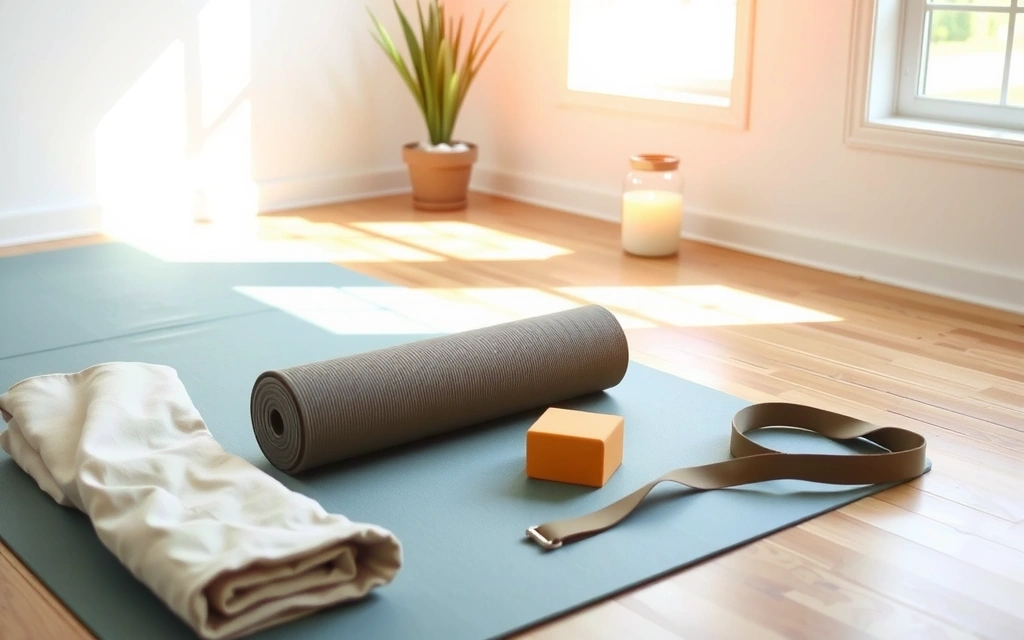
  • Gather Your Props: While not strictly necessary for every class, props can greatly enhance your practice. Have a sturdy yoga mat, a blanket or towel for cushioning, and ideally, yoga blocks and a strap. If you don't have official yoga props, household items like thick books (for blocks), a belt (for a strap), or a cushion can serve as substitutes.
  • Mindset and Hydration: Aim to practice on an empty stomach or at least 2-3 hours after a light meal. Hydrate well before and after your practice. Most importantly, approach your practice with an open mind and a sense of curiosity. Let go of expectations and simply be present with your breath and body.
  • Tech Check: Ensure your device (laptop, tablet, phone) is fully charged or plugged in. Test your internet connection and make sure your camera and microphone (if required for interactive classes) are working. Position your device so that your entire mat is visible to the instructor, if applicable, allowing for better feedback.
  • Minimize Distractions: Put your phone on silent or airplane mode. Let family members know you're unavailable. Close unnecessary tabs on your computer. The more you can reduce external stimuli, the deeper your concentration and the more profound your practice will be.
A well-organized home yoga space with a mat, props, and natural light

Visual Inspirations for Your Practice